When buyers start comparing options for stainless steel, the biggest concern is
rarely availability. It is trust. Whether the material you receive will actually
perform the way it is supposed to once it reaches fabrication or installation.
This becomes even more critical when sourcing something like ASTM A276 AISI 202
round bars, where small variations in quality can quietly create larger problems
later in machining, welding, or structural use.
Most procurement issues don’t come from choosing the wrong grade, but from
receiving inconsistent quality within the same grade. That’s why before
finalizing any supplier, experienced buyers take a step back and verify what
they are actually getting. If you want to align your requirement with real
product standards before making a decision, it helps to review the
ASTM A276
AISI 202 stainless steel round bar specifications
and available sizes in detail
so you know exactly what to expect from the material.
What ASTM A276 Really Means in Practical Procurement
On paper, ASTM A276 is a standard that defines requirements for stainless steel
bars, including dimensions, tolerances, finishes, and mechanical properties. But
in real procurement, it plays a much bigger role. It becomes a baseline of trust
between the buyer and the supplier.
When a round bar is supplied under ASTM A276, it is expected to follow
controlled manufacturing processes and meet specific criteria. For a buyer, this
means predictability. The material should behave consistently during cutting,
machining, or forming. If that consistency is missing, the cost shows up later
in rework, delays, or even rejection.
The important thing to understand is that simply mentioning ASTM A276 is not
enough. What matters is how strictly the supplier adheres to it. This is where
quality evaluation begins.
Understanding SS 202 Composition and Its Real Impact
AISI 202 stainless steel belongs to the 200 series, which uses manganese and
nitrogen to partially replace nickel. This makes it more cost-effective, but it
also introduces subtle differences in behavior compared to higher nickel grades.
In practical terms, this composition affects strength, workability, and
corrosion resistance. SS 202 offers good strength and performs well in
fabrication environments, but it is not designed for highly aggressive or
chloride-heavy conditions.
From a quality standpoint, composition consistency is critical. Even small
variations can influence how the material reacts during welding or forming. A
reliable ASTM A276 AISI 202 Stainless Steel Round Bar manufacturer in India will
maintain tight control over this composition, ensuring that each batch performs
as expected.
For buyers, this means it’s not just about the grade name. It’s about how
consistently that grade is produced.
What Experienced Buyers Look for First
When evaluating material quality, experienced buyers rarely start with
documents. They start with observation. The way the bar looks, feels, and
behaves often reveals more than paperwork.
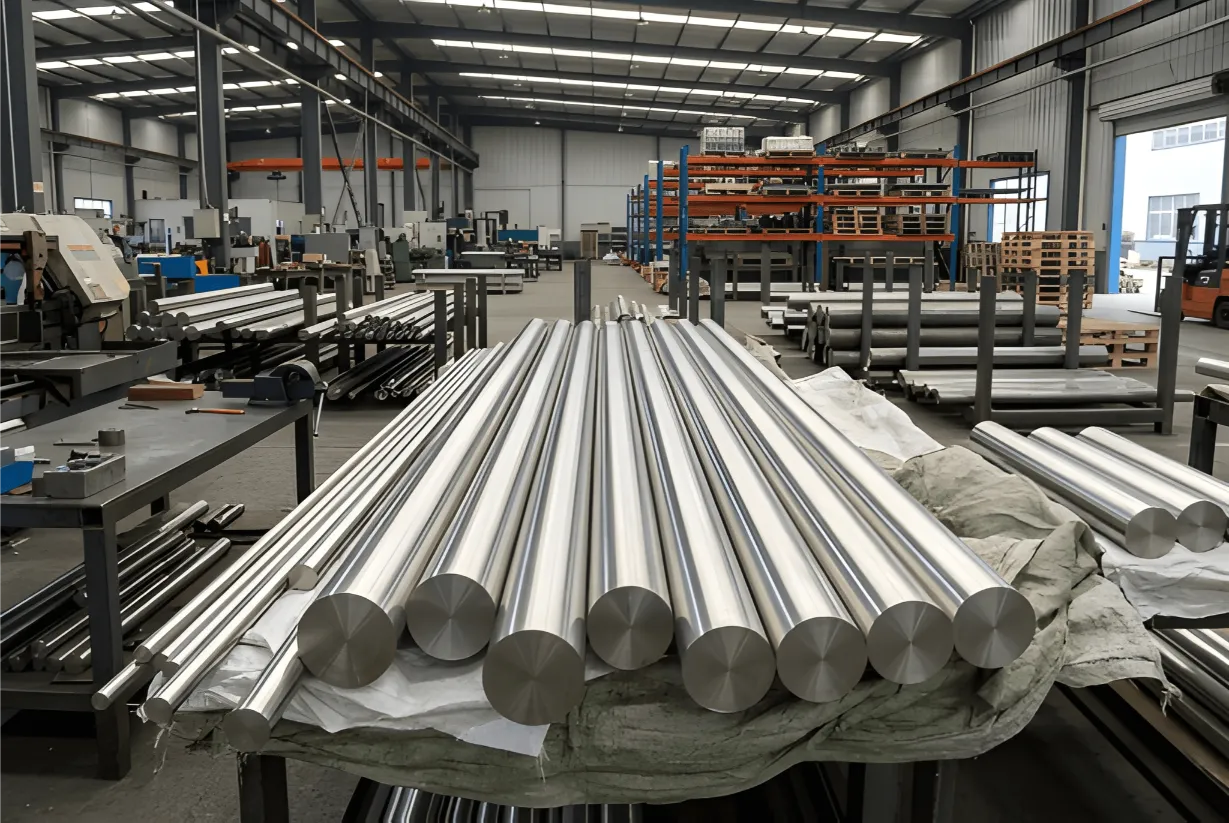
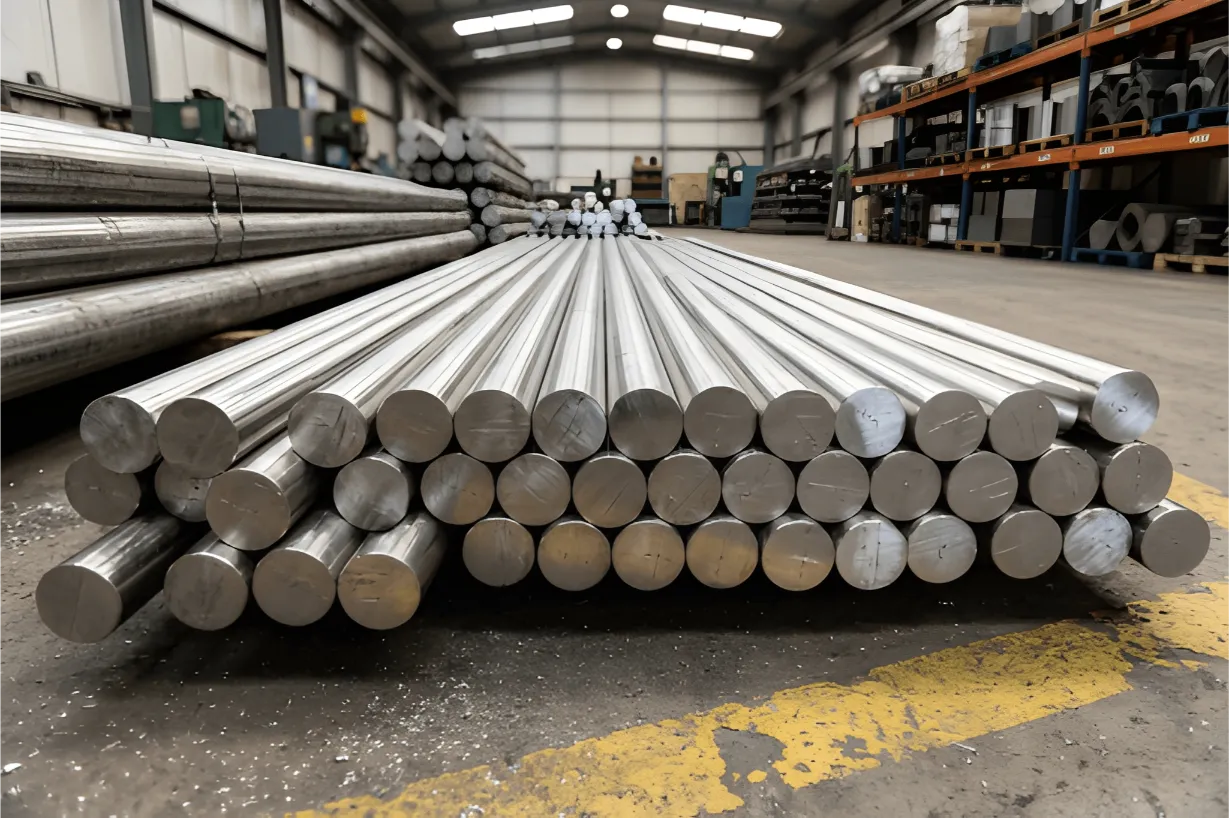
Surface condition is one of the first indicators. A well-processed bar will have
a uniform finish without irregularities. Straightness is another subtle but
important factor. Slight bends may not seem significant at first, but they can
create alignment issues during machining or installation.
Dimensional accuracy also plays a major role. Even small deviations can affect
fitting and assembly, especially in precision applications. This is why ASTM
A276 tolerances matter in real-world use.
What separates a dependable ASTM A276 AISI 202 Stainless Steel Round Bar
supplier in India from a generic trader is attention to these details. Good
suppliers don’t just deliver material. They ensure the material meets
expectations before it reaches you.
Surface Finish and Dimensional Accuracy in Real Use
In many cases, buyers focus heavily on chemical composition but overlook
finishing and dimensional accuracy. Yet these factors often have a direct impact
on usability.
A round bar that is slightly out of tolerance may still be technically
acceptable, but it can increase machining time or require additional processing.
Similarly, an inconsistent surface finish can affect both aesthetics and
performance, especially in visible or decorative applications.
This is where evaluating actual samples or previous supply batches becomes
valuable. It gives you a clearer idea of what to expect beyond theoretical
specifications.
If you want to confirm how different sizes and finishes are supplied in
practice, it’s worth checking the available ASTM A276 AISI 202 stainless steel
round bar options to ensure they match your exact requirement before placing an
order.
Verifying Mechanical Properties Without Overcomplication
One of the most common mistakes is focusing exclusively on price. While competitive pricing is important, extremely low quotes can sometimes indicate compromises in quality, tolerance, or finishing processes. These compromises often lead to higher costs during machining and fabrication, offsetting any initial savings. Another mistake is failing to verify specifications. Buyers may assume that all SS 202 materials are identical, but variations can exist depending on the supplier. Taking the time to compare specifications, tolerances, and supplier credibility in one place can prevent issues that may arise later.
How to Evaluate Supplier Credibility in Practical Terms
Evaluating supplier credibility requires a combination of technical and
operational assessment. Documentation such as material test certificates
provides a baseline level of assurance, but it should be supported by consistent
delivery performance.
Communication is another important factor. Suppliers who are responsive and
transparent are more likely to handle issues effectively. In addition, checking
past supply consistency and client feedback can provide insight into long-term
reliability.
Suppliers who understand application requirements can also provide valuable
guidance. Instead of simply supplying material, they help ensure that the
selected grade is suitable for the intended use, reducing the risk of
misapplication.
Pricing Considerations Beyond Cost Per Kg
Not every buyer has the time or expertise to analyze detailed material test
reports. But that doesn’t mean quality verification is out of reach.
Mechanical properties like tensile strength and hardness are important, but what
matters more is whether they fall within expected ranges for SS 202. A reliable
supplier will provide test certificates and be able to explain them in simple
terms.
The key is clarity. If a supplier avoids discussing test data or provides vague
answers, that’s usually a sign to look deeper. On the other hand, a transparent
supplier will walk you through the material properties and how they relate to
your application.
This level of communication often reflects how seriously quality is handled
internally.
How Supplier Type Affects Quality Consistency
In India, buyers often interact with manufacturers, suppliers, and stockists,
each playing a different role in the supply chain.
An ASTM A276 AISI 202 Stainless Steel Round Bar manufacturer in India has direct
control over production. This usually means better consistency, especially for
large or repeat orders.
An ASTM A276 AISI 202 Stainless Steel Round Bar supplier in India acts as a
connector, sourcing from multiple manufacturers and ensuring availability across
sizes. Their strength lies in flexibility and reach.
An ASTM A276 AISI 202 Stainless Steel Round Bar stockist in India focuses on
maintaining ready inventory. They are essential when timelines are tight, but
quality consistency depends on how carefully they source and manage their
stock.
Understanding these roles helps buyers choose the right partner based on their
priorities, whether that is speed, volume, or consistency.
A Common Mistake That Leads to Costly Problems
One of the most common mistakes buyers make is assuming that all SS 202 round
bars are interchangeable as long as they carry the same grade name. In reality,
differences in processing, finishing, and even storage conditions can affect
performance.
For example, material that has been improperly stored may develop surface issues
that only become visible during fabrication. Similarly, inconsistent batches can
create variation in machining behavior, leading to delays.
Experienced buyers avoid this by maintaining consistency in sourcing. Working
with the same trusted supplier over time often results in more predictable
outcomes than constantly switching based on price alone.
Matching Quality with Application Needs
Not every application requires the highest possible quality, but every
application requires the right quality. This distinction is important.
For structural or load-bearing uses, mechanical strength and consistency become
critical. For decorative or architectural uses, surface finish may take
priority. For fabrication-heavy projects, workability and dimensional accuracy
matter more.
A good supplier will help align material quality with your actual use case
instead of simply pushing available stock. This is where experience in the
supply chain becomes valuable.\
The Reality of Supply and Consistency in India
India has a strong stainless steel distribution network, with major hubs in
cities like Mumbai, Ahmedabad, and Delhi. While this ensures availability, it
also introduces variability depending on where and how the material is sourced.
Consistency across batches becomes an important factor, especially for ongoing
projects. A supplier who can maintain uniform quality over multiple deliveries
adds far more value than one who only focuses on immediate availability.
This is why many buyers prioritize long-term relationships over short-term cost
savings.
The Final Check Before You Place an Order
Before confirming any purchase, experienced buyers take a moment to align
everything. Specifications, size, finish, and expected performance are all
reviewed together.
At this stage, referring back to the ASTM A276 AISI 202 stainless steel round
bar product details can help ensure nothing is overlooked. It acts as a final
validation step, reducing the chances of mismatch between expectation and
supply.
This small step often makes a significant difference in avoiding issues later.
Final Thoughts
Evaluating the quality of
ASTM A276 AISI 202 stainless steel round bars
is not
about technical complexity. It is about attention to detail and asking the right
questions at the right time.
When you understand how ASTM A276 standards translate into real-world
performance, and when you choose a supplier who values consistency as much as
you do, the entire procurement process becomes smoother and more
predictable.
In the end, quality is not just something you check. It is something you build
into your sourcing decisions from the very beginning.